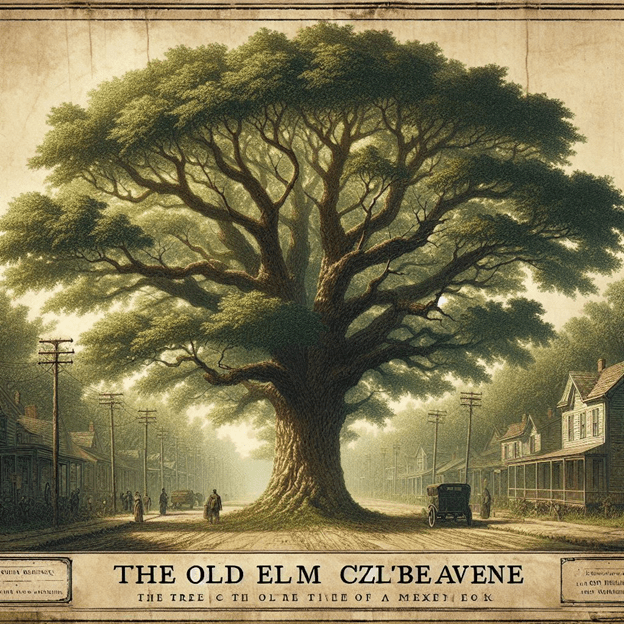
The Old Elm Tree of Clizbe Avenue

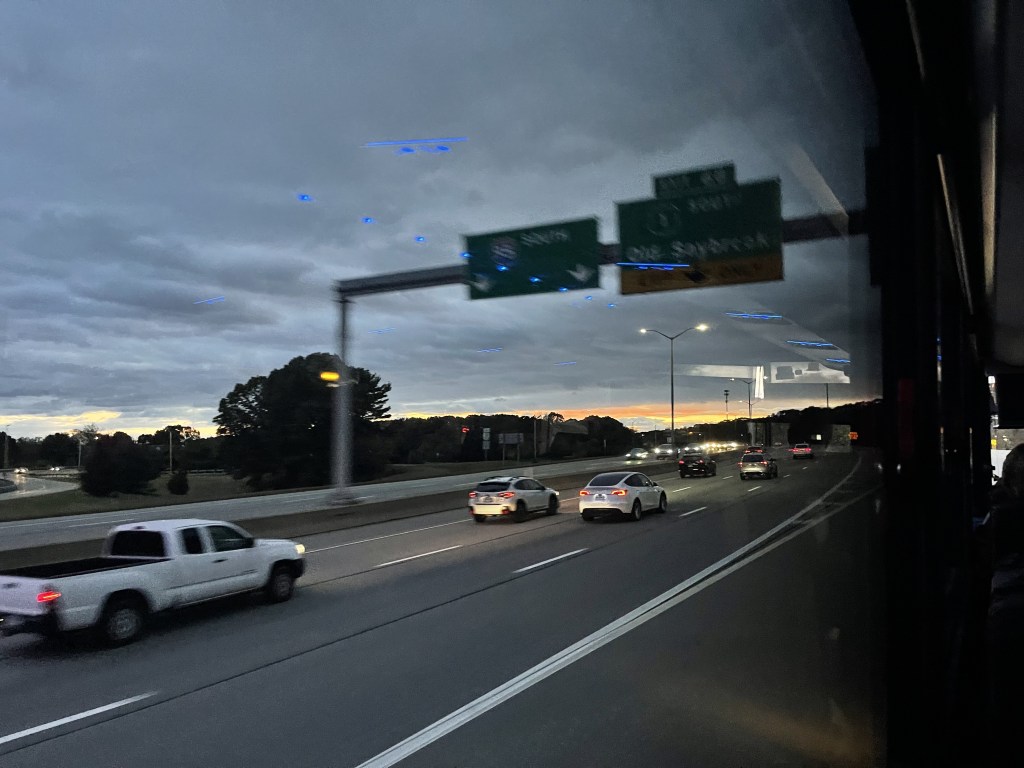
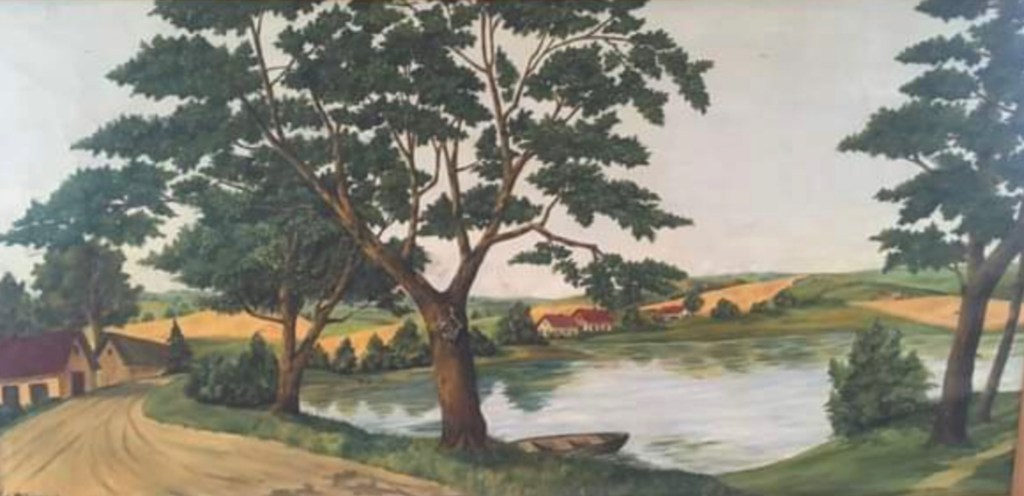
Ah…. That 1962 sunshine, radiant and warm, poured down from a sky so blue it seemed limitless. Captured in a snapshot, it was a memory of light pressing against the edges of that moment. There was a hint of a lazy afternoon, with shadows stretching languidly across the grass, and the air carrying the scent of distant things growing, things forgotten since. Children laughed and played, their voices rising like birds, while bicycles lay strewn about in casual abandonment, wheels glinting in the sun. Somewhere, a radio played, a soft murmur, trailing off into the day. The world was vast and new yet tinged with the nostalgia only time can bring. How bright those days seemed, with colors so vivid they appeared painted; how endless they felt, caught forever in that year. The 1962 picture on the top you could see the branches of the old Elm tree sky high. A large canopy like all forest canopies. It was just as large. In 1852 it was just as prevalent and served as a beacon and refuge. It was a watchtower for the Underground Railroad, a sentinel against the sky. There, under its sprawling branches, farmer Ellis Clizbe worked tirelessly, his bed and breakfast house a station for countless souls reaching for liberty. By the light of a single lamp, shadows gathered, and whispers of hope pulsed beneath the stars. Night after night, courage bloomed beneath those leaves, hearts defying the tight grip of fear. Ellis Clizbe and his family risked much, knowing the cost, yet guided the way, their conviction as vast as the horizon. Beneath the protection of that tree, many African Americans found the first breath of promised freedom, the air filled with the sweetness of expectancy and dreams taking flight. Under its shade, a meeting house and school were located. By 1782, the mighty Elm was already a landmark, a part of the landscape for generations. It remained entrenched and firmly rooted in the same soil for centuries, a towering creature among the other giants in the old growth forest. Through its watchful presence, it bore witness to the first European settlers’ arrival in the area as they ventured into this wild and untamed land. The newcomers came with dreams of new beginnings, bringing plows and seeds to start farms and transform the wilderness into fields of promise. Determined to carve out a future from the vastness around them, pioneers and their families worked tirelessly, urging the land to yield to their new vision of a life and shaping it to their needs. The years shortly after the Revolutionary War saw these early trails bring more settlers who were eager to define their freedom through ownership of the land and the sweat of their brows. It is where Ellis’s father came to make a gristmill. In 1662, it was a mere sapling on the grounds of an ancient forest. This fledgling Elm was one among many in a dense canopy that had flourished since the last Ice Age, each tree a witness to ages unfolding in the vast wilderness. Before towering giants surrounded it, the Elm began its long growth, stretching slowly toward the light, a tender part of a landscape largely unchanged for thousands of years. In 1670, only a few years later, the young tree bore witness to the rumble of footsteps as the French Carignan-Salières Regiment marched southward, their presence a sudden disturbance in the ancient stillness. De Tracy led the company on a winter expedition, seeking to extend their influence and control. They pushed through the snow and cold, passing the tree on their march to the Village of the Mohawks, eager to claim the new land for France.  In the spring of 1677, the young Elm stood as a sentinel, witnessing the hurried steps of Saint Kateri Tekakwitha as she fled North. With her was the Catholic priest Father Jacob and a warrior called Hot Ashes. Their path took them along the Chuctanunda Creek, moving silently and swiftly in the shadows of midnight, their breath clouding in the chill night air. In flight from a Mohawk village where Kateri faced oppression, a faith she could not embrace, and a marriage she did not want, they were resolute in their escape. The Elm marked their journey as Kateri sought refuge at the Jesuit settlement of Kahnawake, leaving behind a life of turmoil for the promise of spiritual liberty. Through the darkness, the tree’s looming presence guided them onward while the distant sounds of pursuit faded, and hope filled the void. Kateri’s determination was as unyielding as her footsteps; she and her companions pushed forward tirelessly, the creek their only companion, the young tree a distant memory reaching skyward in the tangled forest. But by 1972. It was gone. The victim of the Chinese Elm disease that destroyed much of the American Elm trees.

 This is the story of this tree.

concert in the car.

#6

Billy’s eyes are closed as he drives, his body moving with fluidity and grace as he conducts the invisible orchestra. Billy’s eyes are closed, but his facial expression is one of pure bliss. His body sways and moves in fluid motions, almost like he is dancing in his seat. Billy’s body sways and moves with grace, his fingers gripping the steering wheel like they are playing an instrument. He’d put on his favorite classical music station, turn up the volume, and let the notes spill into the small, enclosed space. With his hands on the wheel, he’d close his eyes and move his body in time with the music, conducting an invisible orchestra with all the passion and grace of a maestro. His wife would often join in, singing along to the familiar tunes and adding her own harmonies. They’d both lose themselves in the music, letting it transport them to a world of endless possibility and creative expression. For a brief moment, they were no longer two middle-aged people living in the suburbs, but rather two artists lost in the beauty and power of art. And as they pulled into their driveway, the last notes fading away, they’d share a knowing smile, grateful for the moments of magic that music had brought into their lives. Listening to the songs he selected on the radio, iPod, or DVD made Billy feel alive at that moment. The worries and stresses of daily life seemed to melt away as the music enveloped him and his wife. They would often take a few moments to sit in the car after arriving home, just soaking in the beautiful melodies and reflecting on the power of music. As an accountant by day, Billy had always found solace in playing classical music. It was his escape from the numbers and spreadsheets that consumed his workday. And he knew his wife, a busy stay-at-home mom, needed an escape just as much as he did. Music was their mutual passion and anchor amid chaos. No matter what challenges they faced, they could always find peace and joy in the notes dancing around them. And so, each time they drove in the car together, they performed their own concert. For them, it was a grand performance deserving applause, even in a small space for two. Their love for music had brought them closer together and added color to their otherwise ordinary lives. As they stepped out of the car and into their home, Billy knew that no matter what tomorrow brought, they would always have this moment – this magical connection through music – to hold on to. As the lights dimmed and the initial notes of the first song began to play, Billy felt an increase in his energy levels. This was it – the moment he had been waiting for his whole life. The stage was set with an elaborate setup of lights and screens, casting a glow on the massive crowd in front of him. As he stepped up to the microphone, surrounded by his bandmates, Billy knew that this was no longer just a dream – it was reality. With each note he sang, Billy felt like he was soaring higher and higher. The energy from the crowd fueled him, as they sang along to every word and cheered him on. He looked out into the sea of faces and saw people from all walks of life, united by their love for music. It reminded him of all those times he had sat in his car with his wife, lost in a world of music. Only now, instead of an audience of two, he had millions cheering him on. The concert went on for hours – or at least that’s what it felt like to Billy. He poured his heart and soul into each song, letting himself be consumed by the music. And as he ended the final song with a powerful vocal run, Billy couldn’t help but feel overwhelmed with emotion. This was it – this was what he had always wanted. To share his love for music with the world and bring people together through its universal language. The crowd erupted into thunderous applause and cheers as Billy took his final bow. He looked over at his bandmates – all lifelong friends who had supported him on this journey – and shared a tearful smile. In that moment, there were no words needed between them. They knew that this night would be one they would never forget – a night where they were able to make magic through music. As they walked offstage after their performance, Billy felt appreciative of all the experiences that had brought him to this point.   The greatest singer in the world remains in the car to play another song and another concert in the car tomorrow.  

8 February snow

By the time you get to February, you’re sick of winter. You think of red hearts, valentines, and presidents of the United States, but you’re still in February, and it’s all cold and snow. The Earth is sleeping. Everyone seems to be sleeping; even when they’re walking and talking and walking around very carefully so as not to slip on the ice, they’re still sleeping. but you must be wide awake because it’s February snow. You just wish you would be over and you were moving out of an apartment that you loved so much. That situation to say goodbye to Radio forever, your radio show that you started. friends living at your apartment and hanging out was such a wonderful place, but then Someone died, and the landlord decided we were all guilty by association, so we had all the debt to be left out of our great parties. The crew was playing. The cat got out on the roof, and it was all fun, but it’s February now. and to the friends who shared laughter and late-night conversations within those walls. That place was a sanctuary, a tapestry woven with unforgettable moments until tragedy struck when a suicide shattered the peace behind the building. With one terrible incident, the landlord declared us all guilty by association, and just like that, the vibrant life we knew had to end. One of the most difficult parts of leaving town is packing your bags. Seeing all your belongings scattered across the floor reminds you that this chapter of your life is ending. You start by packing your clothes, trying to decide which pieces you will need in your new city and which can be left behind. As you fold each item carefully, you remember where you were and who you were with when you wore it. You take out an old army duffel bag with you through many moves and travels. It’s a sturdy bag, just like the memories attached to it. You start filling it with clothes but quickly realize that 11 pairs of boots are too many for one trip. You contemplate which ones to leave behind but ultimately decide to bring them all. They may come in handy someday. Next comes the hard part – storing the rest of your belongings. You have accumulated so much over the years, and now it feels overwhelming to decide what to keep and let go of. Some things hold sentimental value, while others are just material possessions that can easily be replaced. You carefully pack photographs into a shoebox, ensuring none get bent or damaged. These are precious memories from your time here and will always hold a special place in your heart. Other items like books and knick-knacks are harder to part with. They have been with you through thick and thin, and now saying goodbye feels like losing a piece of yourself. However, it is important to recognize that these items are merely material possessions and do not determine your identity or character. Tears start flowing down your cheeks as you pack up the last box. This chapter is really coming to an end. But then you remember that it’s not about the stuff or the place – it’s about the people who made this place feel like home. You take a deep breath and wipe away your tears. It’s time to move on to Summit John’s house, and you go west because of a story in this one girl you thought liked you. You could do something with her only to get out there and realize that she’s not interested and that you were a fool to think otherwise. February As February unfolds, the weariness of winter settles in. Images of red hearts, valentines, and presidential celebrations flit through your mind, yet you are surrounded by the relentless cold and falling snow. The Earth seems to be in a deep slumber as if everyone around you has succumbed to hibernation. Still, you strive to stay wide awake, waiting for the charm of spring, wishing for the winter to fade away. You stand on the brink of leaving behind an apartment filled with memories you cherish, bidding farewell to your beloved radio show. As you fly west, thoughts of the past swirl in your mind. You remember when you lived above Ed’s Bread, a vibrant bakery always bustling with activity. The smell of freshly baked bread would waft through your apartment, and you would sit on your balcony, sipping coffee and watching people go by. Ed’s Bread was more than just a bakery to you; it was where you started your radio show. Ed, the owner, had permitted you to use his rooftop as a makeshift recording studio. From there, you built your loyal fan base and brought joy to many listeners. But now, as you leave behind the city lights and approach John’s house in the countryside, you realize that everything has changed. The girl you’re interested in has lost interest, and Ed’s Bread has shut down due to financial issues. You feel like everything is slipping away; the warmth and comfort of Ed’s Bread and the possibility of a future with that girl are gone. But amidst all this darkness, there is still one source of hope for you – your radio show. Even though it may have ended abruptly at Ed’s Bread, it still lives on within you. And with each passing day, spring gets closer and closer, bringing with it the promise of new beginnings and fresh starts. You hold onto this hope as February draws to an end because deep down inside, there is still a spark within that refuses to be extinguished by the coldness of winter or the disappointments in life.  You reminisce about the incredible parties, the camaraderie forged among friends, and the mischievous cat that adventured to the roof, embodying the spirit of joy that once filled the air. But now, as February looms large, you find yourself packing an old army duffel bag—stuffed with eleven pairs of boots—and stashing the remains of your life into storage at a friend’s house. Your journey takes you westward, fueled by the hope of a budding connection with a girl you thought might feel the same.  February in the West feels different. You wake up to a world of color, where the sun shines brighter, and the sky glows with shades of blue you never knew existed. You are greeted by palm trees and cacti, and you can’t help but wonder if this is all just a dream. You had dreamt of what could be—of hiking through mountains and exploring National Parks together. You imagined long talks over coffee and shared laughs under starry desert skies. But those dreams were quickly shattered when you arrived and discovered that she held no interest in you. You try to brush it off, telling yourself it doesn’t matter. But deep down, it does. It stings to know that your feelings were one-sided all along. Still, you try to make the best of your new surroundings. Sitting in the Congress Hotel one night, you listen to a person playing the piano, a British girl. And you talk to her, She realizes that she is lost. A misplaced sense of geography put her in Tucson, but wanted to visit her friends in Kansas City. So together, you agreed to rent a car and drive her to Kansas City.  But as much as it pains you sometimes, you wouldn’t trade these experiences for anything else. They have shaped who you are—the restless traveler always searching for something more—and though it may not always be easy or comfortable, this life calls out to your soul. With a final look at the colorful sunsets, you embrace the journey ahead.  The realization stings, leaving you feeling foolish for your misplaced hopes and dreams. And so you are, driving through the frozen Kansas prairie, still caught in the cold grip of February snow, navigating the past toward a future left unseen.

Lithuanian dream-time part 1

Lithuanian dream-time

By E. Michael. Bablin

There were only a few Lithuanian words I would understand. The words were Christmas time words spoken by Grandfather, he would speak these words they would sound very far away and very close at the same time. Watching him speak they seemed one by one to slide past his tongue and to meet the golden air of new beginnings like 1906 and steamers crossing the Atlantic and new days in America.  At Christmas, it was different. There was Christmas Eve dinner, which was the most important of all evenings. Sometimes, there was a plate set aside for dead relatives who would want to join them in the celebrations. But he would hear stories of Grandpa Bablinskas, who fell asleep during a picnic, near the cemetery, and when he woke in the graveyard the next morning with the drowsy air of fogginess in his eyes, in the early morning, mist hung over him like the cloud of the afterlife. He thought he was dead. He began to get up and stumbled in a daze, like the days of all the old ones who stepped off that boat on the shores of Ellis Island after ten days at sea to land in a place called America. This was real Lithuanian story, the one that spoke of factory working and the Priests farm which was a park with a band stand, apple orchards and family plots the Lithuanian families could plant summer crops. Lithuania was born in Amsterdam, NY, on May 28th, 1904. By 1905, Father Z came to town. And stopped the factory working men from fighting like goats in a bar. He purchased lots and a farm.

That’s what it was called before it was the cemetery. In 1906, the spot became the farm. Then the farm became the park Where the young Lithuanians would come and enjoy life look up at the sun and for that moment in the park, they were in Lithuania.

Knowing all this, I planted beans, played hockey, and sailed away on the Chuctanunda creek totally unaware that 100 years ago all the grandparents of Lithuania who were 15 years old  dreamed and sat on summer lawns of past 1910’s summer suns by that same Creek. All in dreams and green leaves reflecting Sun glow on each tree like the trees that Grandma Kerbelis was sure to see. Like those leaves that turned into the Sun’s glowing and were soon covered with snow only to repeat the process year after year. I was 15, I found a map of Lithuania from the 1930s. It was old, incredibly old. There were creases in the pages. If you move it, it fell apart in your hands as it turned, still there are cities, towns, rivers, and all these on the map. Names I could not pronounce but wanted to. It was the map of all the world which began at Trakai Castle, gave the world every pure and golden sunshine day that could only come from old-time dreams of freedom. So, in my head, late at night, I see sisters and brothers in faraway places riding horses. Fighting Russians howling, mad, and fighting. Fighting for family, trees, and every lump of earth. I see great battles of old Lithuanian kings who conquered the land and couldn’t stop fighting because that’s what we must do. The maps flew on golden wings with the divine wind. They sailed away here with Grandpa Bablinskas and blessed the golden leaves that fell on the same cemetery he did not wake up in, on another day.

“Home for Christmas”

by E Micheal Bablin

Wednesday, December 22. 9:30 pm, the youngest brothers go to bed after watching Rudolph the Red-Nosed reindeer and frosty the snowman on network television. The first sister and first brother stay up late and discuss Christmas presents and shopping. They’ll go to school tomorrow morning, the last day of classes before the Christmas holiday and Santa Clause.

A bus Departs Ames, Iowa 10:20 pm; The Second Sister is on this bus with her ticket in hand, which she passes to the driver, who will rip off half and hand her the rest. She is traveling from Ames, Iowa, to Davenport, Iowa. Chicago, Illinois. South Bend, Indiana. Cleveland, Ohio, Pittsburgh, Pennsylvania. New York City, and finally home to Amsterdam, New York. This trip home will take her thirty-seven hours, just in time for the Christmas holiday and Christmas eve dinner. She thinks of the rest of the family, the brothers and sisters putting up the Christmas tree. And wonders if the father bought it at Bob’s trees, where at a discount price of $3, you could walk into the woods and find a tree and cut it down yourself.

Thursday. December 23. The bus arrives in Davenport, Iowa at 1:22 am. The sudden stopping of a bus wakes up the second sister. They must change buses here to go to Chicago, so she takes her luggage with her as she goes into the bus terminal, except for the few travelers traveling late at night, she sits in a empty room. The cold winter air and clear sky remind her of snow and past Christmases. She hopes it’ll snow for Christmas. It had snowed a week before, about 6 inches, so there is snow on the ground, but the sky is still clear. The House on Ellsworth Street is silent, everyone sleeping. News reports say there’s a chance for snow on Christmas Day.

The bus departs Davenport, Iowa at 2:25 am, and back on the Interstate, she falls back to sleep again. Moving through the Illinois Prairie, the Stars are out, as she opens her eyes, she sees in the distance smoke rising from the few scattered homes along the road. Soon the kitchen chimney of Ellsworth Street will do the same. The two middle brothers come outside and wait for the van to drop off the Gazette newspapers. The house has two fireplaces and a wood-burning stove. Their task before they deliver newspapers is to light the kitchen stove fire, so the kitchen is warm for the morning.

Just before five O’clock in the morning, the Schenectady gazette van stops and drops off their newspapers at the corner of Ellsworth Street in Clizbe Avenue. They have 200 newspapers to deliver in the morning on a newspaper route inherited from their older brother and even their sisters’ delivered newspapers.

The bus arrives in Chicago, Illinois at 5:35 am. The second sister gets out to transfer to another bus again. This time, the bus terminal is a little more crowded as people are moving by getting ready for the morning. In Chicago, Christmas wreaths are everywhere, the sign of the seasons. The two middle brothers get home from delivering the papers in the morning. The kitchen is warm now. Slowly the house comes to life. The mother wakes up and gets ready for her workday. She drives to Albany thirty miles each way and works for the state of New York. The father gets up, starts up, and warms up the engine of her Toyota Corolla. He’ll also start the engine of the Chevy truck he drives to work at the Scotia naval depot. He’s got his football pools in for the weekend games. The third sister and the two youngest brothers get up and get ready for the school day. It’s the last day of classes before the Christmas holidays, and the breakfast talk is about presents. Who’s been nice and naughty, and will Santa Claus come this year? The mother talks about the second daughter on her way home, hopefully arriving safely.

Grandmother comes in right before Mother leaves for work. She’s watching the youngest brother, who doesn’t go to school yet, as the two brothers go to McClary Elementary. Another brother goes to middle school, and the third sister goes to high school and takes off. The grandmother will sit and prepare the Kucious, or the traditional Lithuanian Christmas Eve dinner.

At 10:30 am, the Second sister’s bus Departs Chicago, Illinois. It’s a cold morning. She sees smoke rising from chimneys everywhere. Crossing a country waking up to Christmas Eve, her bus slowly leaves urban areas and goes back into the vast expanses of Indiana Prairie, she thinks about her own home and Christmas.

At McClary Elementary school, the fourth brother is finishing his Christmas decoration he’s doing. He will place this on the Christmas tree tonight when they finish the decorating. The third brother listens to other friends talking about Santa Claus and which track he’ll take in class. And when he goes and leaves the North Pole, they’re apprehensive about this as the weather might get nasty.

At 5.45 pm the family decides to go shopping on Main Street in the afternoon. The parents tell the children that they can choose between two department stores – Woolworths and Grants. Excited about the prospect of toys, the children eagerly discuss what they might find at each store. The youngest brothers are excited about the possibility of getting new action figures or games. Estes rockets and motorized airplanes flying up in the air and walkie talkies are also a big hit this Christmas.  As they make their way to Main Street, the siblings talk about how much fun it will be to see all the festive decorations and lights. They also reminisce about past Christmases, remembering all the fun traditions they have as a family.

When they arrive at Main Street, they are overwhelmed by all the beautiful displays and decorations in each store. The first sister and first brother immediately head for Woolworths while the youngest brothers race towards Grants. Inside Woolworths, the siblings marvel at all the different toys and gifts on display. Meanwhile, at Grants, the youngest brothers are having just as much fun exploring all their options for action figures and games. They excitedly show each other their finds and can’t wait to take them home and play with them. After hours of shopping, everyone meets back up outside on Main Street with their purchases in hand. As they walk back towards home, they talk about how grateful they are to have such a close-knit family and how lucky they feel to have each other during this special time of year.

Back at home, The Christmas tree has already been brought inside but not decorated. The oldest brother will get the boxes in the attic filled with Christmas decorations from years past, Some hand made in kindergarten at McCleary elementary school. But they’ll wait and put them up.

At 7:35 pm, The second sister’s bus arrives in Cleveland, Ohio, where she’ll transfer again. It’s good to get off and stretch your legs before walking into another terminal filled with holiday travelers, students going home, and people returning to loved ones. Back at Ellsworth Street, the Third sister and the four brothers have finished setting up the Christmas decorations and tree. They put their wreath with Santa Claus on the doorway outside. They put on the outdoor and indoor lights. They put tinsel and Garland everywhere. Christmas bells hang suspended by the ribbon on top of the threshold between the dining and living rooms. All the boxes from the attic are empty. The house looks festive, and everyone’s getting in the Christmas Spirit.

The third sister will drive the three youngest brothers to Saint Casimir’s Church and practice the midnight mass procession. Father Balch the Lithuanian priest has a rehearsal every year before midnight mass, so all practice doing their best. They are altar boys, and the midnight mass procession is the most significant mass of the year. The midnight mass consists of at least two dozen altar boys and girls carrying various parts of the Nativity scene, setting up the holy Manger in front of the congregation, capped off by Father Balch. Singing Happy Birthday to Jesus Christ.

The second sister departs from Cleveland, OH, at 9:55 pm for another all-night bus ride. The sky is still clear and cold. The dry cold of the Prairie has been replaced by the damp chill of Lake Erie in the Great Lakes, and with that feeling, she knows she’s getting closer to home and her own Christmas. Back at Ellsworth Street, her father watches the news. There’s a chance of a storm coming from the South. But he thinks the second sister will miss the worst if She is home by Christmas Eve afternoon.

She arrives, In Pittsburgh, PA, at 11:00 pm. This time, she can transfer to another bus. A few more passengers get on. The same bus will be driving through the night to New York City. The bus driver takes a few more tickets from other people as they put their bags away, mainly students. And that bus departs Pittsburgh, Pennsylvania, at 11:53 pm.

 December 24, Christmas eve, and the second sister’s bus arrives in New York City, New York 7:35 am. The House on Ellsworth Street repeats the same tasks it did the previous morning. However, there is palpable excitement in the air. Tonight is Christmas Eve. The youngest brother reminds the father to put the light out. The special light is placed near the living room window to shine outside to guide Santa Claus, so he’ll come to their house. The mother goes to work for half a day, but there will be an office Christmas party where she invites Annette to come over and visit. She’s a coworker who lives alone and doesn’t have a family. The father will work all day and ask the Wilsons to come over for the weekend.  

After the traditional Lithuanian dinner, or Kucios, the children will be opening Christmas presents. Santa’s presents will come on Christmas day.  It’s a long day as all will attend Saint Casimir’s midnight mass. On Christmas day relatives will come by friends will visit, there will be snow at that Christmas, as there always is, and they’ll go tobogganing at the Sanford farm. They’ll return for another Christmas meal with their family on Christmas Day. The house on Ellsworth Street will be a beehive of activity.

 Tonight is Kucios and Grandpa and Grandma will attend, and grandpa will say the Lithuanian prayers in his native tongue, the language the children understand only a little.

As the second sister departs New York City New York at 8:30 am, Grandmother and first sister work in the kitchen on the recipes for the traditional Lithuanian dishes. Grandmothers and mothers have prepared the Kugelis and all these Lithuanian dishes for generations. With her long journey finally over, the second sister steps off the bus in Amsterdam, NY, at 1:00 pm. The first sister will pick her up at the bus station downtown.

The second sister finally arrives at her hometown in Amsterdam, NY, where the rest of her family is waiting for her. She steps off the bus and sees her first sister waiting for her with a warm smile. They hug each other tightly, relieved that they are finally together again after being apart for so long.

As they make their way back to the house on Ellsworth Street, they catch up on all the things that have happened since they last saw each other. The first sister tells the second sister about their youngest brother’s latest accomplishments in school and how excited he is for Christmas. The second sister shares stories about her travels and adventures. When they arrive at their house, it is bustling with activity as everyone is busy preparing for the Kucios meal. The mother and grandmother are in the kitchen, carefully following traditional Lithuanian recipes to prepare dishes like Kugelis and Zrazai. The father is outside shoveling snow and setting up lights around the house.

Second sister shares in a delicious meal filled with traditional Lithuanian dishes. There is laughter, stories, and lots of food as everyone enjoys each other’s company. The next day on Christmas Day, more relatives stop by to exchange gifts and share a meal together. They go tobogganing at the Sanford farm like they do every year, braving the cold weather for some fun in the snow. As she looks around at her family, the second sister is filled with gratitude and happiness.

As night falls, everyone gathers around for Saint Casimir’s midnight mass. The beautiful singing fills them with joy and peace as they celebrate this special holiday together. She made it home for Christmas
73 opel

1973, a year that keeps haunting me in the dead of night at 3:30 in the morning, was a time when the world felt like a small town, and everyone in it was friendly and happy. It was a year that left an indelible mark on my life, a year of innocence and discovery.

1973 was a haven, a small town where you could stroll from one end to the other without a hint of fear. It was a place of order and mutual respect, where the concept of poverty was yet to be introduced, and we were all instilled with a sense of responsibility for our actions.

In 1973, I left grade school, which was two blocks from my house, McClarey School, where you played dodgeball in the basement gym. I had Ice Cream socials in June. All my friends were only two or three blocks from the house. In 1973, Grandpa and Grandma were still alive, and me and my brothers were on that third rung, still children. I was so safe, and the real world was so very far away.

In 1973, me and my brother walk seven miles to the Theodore Roosevelt Junior High School, down locust street past the reservoir where a boy no one remembered fell through the ice, to the end of the street where there was a big old house decaying mansion.

1973 Amsterdam was full of big old decaying mansions. We were told that rich people lived in these places, people who built the big brick factories so everyone could work in them, which was nothing wrong with that. If rich people want to make money by building factories, that’s ok.

1973 was one hundred years later, and the factories the rich people built and promised jobs to for ever and ever were closing. What rich people were left no longer looking outside their big windows but inside themselves?

In 1973, my second brother and I would cut through one rich mansion’s property to get to Market Street. At first, I was afraid to be caught, but soon, it became so commonplace that we never noticed or thought about the rich people in the big house. Their house was so big and far away that it was as if they weren’t really there.

1973 was the year I was introduced to the city before the fools took urban renewal money to make one big speedway. It was a time when bottles of soda were filled at the soda maker, milk was delivered, and there was still an evening paper.

1973 keeps revisiting me, like a lost treasure that I still yearn for.  It’s the year I can’t seem to let go of, a time I keep searching for in my memories.

 For 40 dollars, Dad bought a used 1973 Opel and told us that if we wanted a car, we would have to put it together; he would register it and buy the insurance for it so we could learn to drive.  So, my three other brothers and I took out the engine and gave it a valve job. 

Cleaned out years and years of grease and filth. Taking out the engine is like starting over in life; it gives you another chance at something you failed at years ago, and now, suddenly, you’re free.

I drove the 73 Opel 11 miles to see the woman I loved, only to find her with another man. The car died that day, and I never drove it again. I lay on the couch, pretending to sleep, as I heard her in another room with another man. The pain of that moment was etched into the fabric of the car, a constant reminder of lost love.

 I took out the wiring from the 73 Opel and found all the connections from the power to its destination. Spending one whole day trying to find the short in the wiper blade was like patching my damaged nerve endings.

Completely replaced the brakes, the ball bearings, the gas line, and the tires so we could move again. 

It drove 11 miles and never moved again, but another brother reworked it, and it did move for him.

So, we all took turns repairing it, learning the intricacies of gears, the mechanics of wheels, and the reasons behind the driveshaft and transmission. It was a journey of discovery, not just about the car, but about ourselves.

I never saw her again and didn’t even remember her name. But the 73 Opel, a machine that we all worked on, became a symbol of our shared experiences. It taught us not just how to fix cars, but also how to care for them. It was a Tangible reminder that love, like a car, requires constant attention and care and that sometimes, despite our best intentions, things do not always work out.

poetry

Poetry 

Poetry is a the wax museum of dead things 

Poetry has been taken over by narcissists

Poetry has been hijacked by sociopaths

Poetry has been abducted by adolescents angry at the way their father scolded them

Poetry has been usurped by progressive Marxist racists 

Poetry has been dung to death by LGBTQ Intolerant fascist

Poetry has been muddled by every young lover, who was jilted by their (Soulmate) 

Poetry has been attacked by Muslim terrorist flying airplanes into it

Most important of all

Poetry has been computerized politicized  Marginalized and postmodernized  by deconstructionist idiots trying To find the reason behind the word and the reason, and the reason of the reason behind the word, and then the reason of the reason of the reason of the reason of the reason of the reason of the reason why the word means what it means 

Until all that remains his goop and clop of ashes of a former socialist government empires

Top of the ladder


Once upon a time, in the early morning hours of a New York City state of mind, we were drinking beer and smoking cigarettes and talking about bands and rock and roll and everything at that early hour. I told him that in certain cultures, it is not the parents but the oldest adult male member of the family, clan, or tribe who makes all the decisions. “The village elder/clan head.” If a family member wants to marry, go into business, or move to another city, state, or town, they must first get the blessing from the oldest adult male member of the family, which is now you,” I said. He responded with that curious voice, contagious smile, and laugh that was always ready to seek out and learn new ideas with eager anticipation.
With this, his eyes lit up and twirled with the possibility that he had finally reached the top rung. he was at the top of the ladder. Only his decisions are binding for the rest of the tribe and the rest of the clan. This process is by no means specific for every adult member. First and foremost, you must outlive every other male adult clan member. It’s not enough to be 84 years old because there’s always another one who might be 85. Some go before their time, and some who seemed to be preparing for the position all their life don’t make it. But because of the situation’s fate, he suddenly found himself at the top of the ladder.
So, with the death of the 90-year-old uncle sat the last eternal optimist on the top of the ladder. I had known him for 40 years, and they were full years of song, full of a manifest destiny of possibilities. Full of waking up daily, feeling energized to talk to and be in his presence. To speak to him, there was a certain amount of spark in his voice. You understood and were enlightened by his energy. As an optimist, he knew that America was an exceptional country. We were set apart from the rest, destined for great things. So, he was destined for great things. He was part of that younger people’s mid-century world that emerged from World War 2, complete with sock hops, Soda pops, drag races down Queens Blvd, and Brooklyn Dodgers as world series champs—lived in the most fantastic city on Earth at the most beautiful time to be alive—the town he would never abandon.
Younger people may not understand what eternal optimism in American exceptionalism means, but if you sat with him for five minutes, you would understand and know. And at last, you would stand with him to see a universe of possibilities.
Of course, those at the top of the ladder are the ones who can only understand what is at the top of the ladder. I cannot entirely understand it, but I do my best to tell you his story. Because when you’re at the top of the ladder, above is only sky and space created by the grace of God. And below is all of humanity, with sounds of Beer and cigarette butts, pain and suffering, overdue bills, deadlines, places to be, and expectations of failure.
He knew all that; of course, he did. But he saw beyond that: the Sunday morning Grand Canyon of possibilities. It filled a life with love, smells, and sounds of a city that never slept. He saw all its crocuses, daffodils, and flowers of a bright, shining spark of a new town in the mind of forever. He knew and never gave up on it; if he were your friend, he would never give up on you.
And at last, he saw the top rung of the ladder, something he never expected, but that’s life. Handing you something in a way you never expected. What is life but flowers full of great expectations of success, which should always be welcome, and to discard the failure who preaches great intelligence but never gets on any ladder, much less climb it?
So now it’s long tears and a journey in March as he travels to the West. It is the best time to travel there, so he does and finally joins from here to eternity, which was also a movie he liked.

Otto lived on Sugar Mountain. 

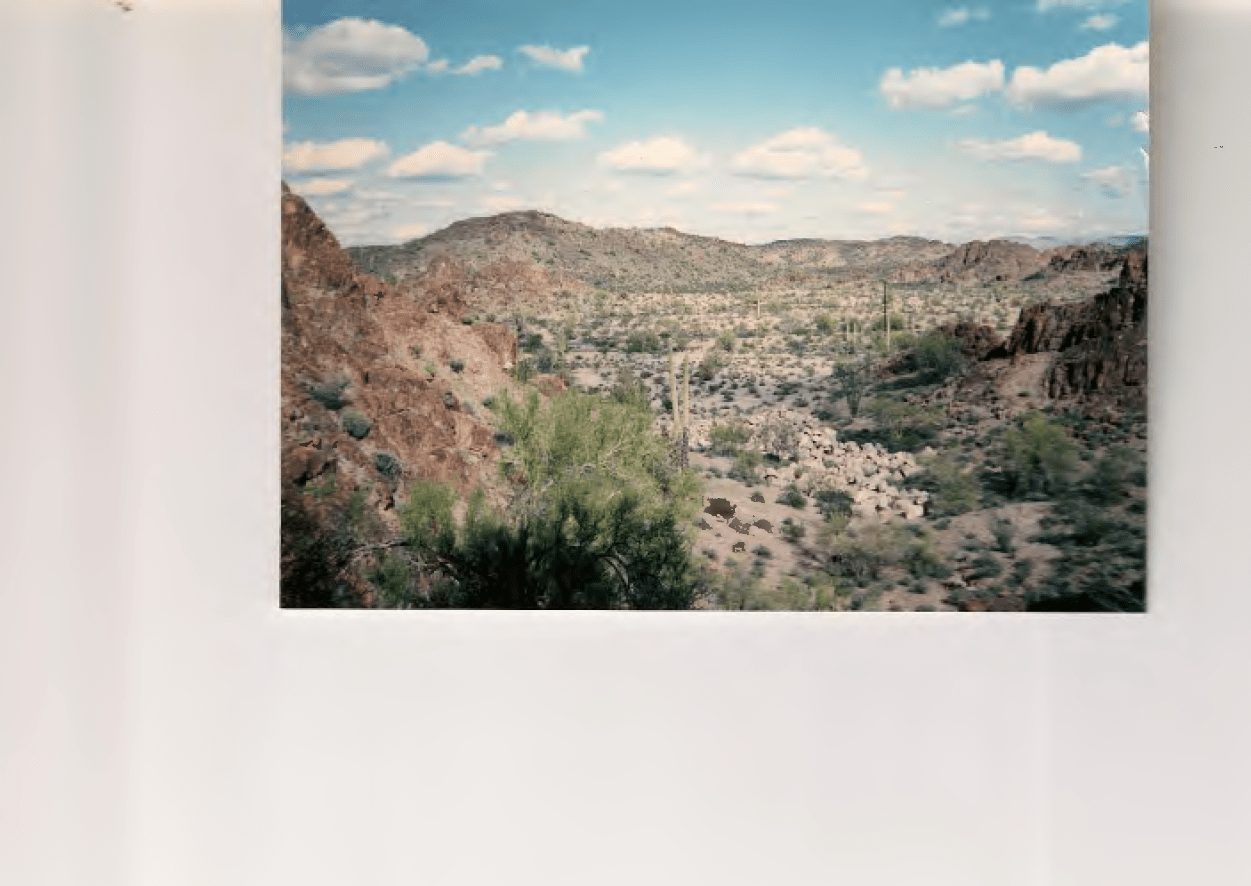
Otto lived on the edge of the desert, a lonely stretch of land where the Arizona dust settled on everything in sight. In his small adobe house, he sat surrounded by his inventions, his only companions in this desolate landscape. Here, he found solace and refuge from the rest of the world.

But on this particular day, the stillness was shattered by a piercing cry – a banshee war cry that echoed through the barren land. Otto sat up, his heart pounding, and peered out the window. He couldn’t believe what he saw – a group of Indians, their faces painted with intricate patterns, riding on horseback toward his house.

As they got closer, Otto could feel his heart racing, his adrenaline pumping. This was the moment he had been waiting for – a chance to prove himself as a man. He stepped outside, ready to face whatever challenge they brought with them.

But as the Indians approached, their leader dismounted and walked towards Otto. “We’ve heard of your inventions,” he said. “We’ve come to ask for your help in our fight against the white men who are trying to take our land.”

Otto couldn’t believe it – these were not just any Indians, but a tribe fighting to protect their home. Without hesitation, he joined them; his banshee war cries ringing out in unison with theirs. In that moment, surrounded by the desert and these fierce warriors, Otto finally felt whole , contented with a purpose that only a man can understand.  

You worked from bed and chair to the tune of Neal Young and kept working until long after dark, never letting pity inside the door to use as a weapon.

Otto lived on Sugar Mountain.

On his terms, Otto lived. He was a man who had carved his path, refusing to conform to society’s expectations. He didn’t work a 9-to-5 job like most people. Instead, he worked from the comfort of his bed or chair to the tune of Neil Young’s songs.

Although some may have pitied him for not having a traditional job, Otto never let pity inside his door. He used it as a weapon, pushing himself further and harder to pursue his passions and dreams.

One day, as Otto was on his way to Pennsylvania Station, he saw a lost soul sitting alone on the sidewalk. The man looked defeated and hopeless. Without hesitation, Otto went over to him and struck up a conversation. As they talked, Otto learned that this man had lost everything – his job, home, and family. He was now homeless with no hope for the future. Without thinking twice, Otto invited the man to come home with him. He knew what it was like to feel lost and alone, and he couldn’t leave this man to suffer on the streets. That night at Otto’s house, they talked until long after dark. They found solace in their similarities as they shared their stories and struggles. By helping someone else in need, Otto had found a sense of purpose and fulfillment that he had been missing. In that moment, it became clear to Otto that true happiness comes not from living for ourselves but by helping. And so, he continued to live on Sugar Mountain – surrounded by his inventions and fueled by his passion – but always with an open door for those needing shelter and companionship.

Otto lived on Sugar Mountain. 

Carving his path with swollen old hands; Otto commanded armies that moved mountains and changed the course of rivers. These hands had accomplished incredible feats, from turning back time to unraveling the mysteries of science. But amidst all this power and success, one word held a special place in Otto’s heart – “please.” This simple word was significant for him, representing humility and respect for others. Despite his achievements, Otto always remembered the importance of treating others kindly and asking for things politely. He knew true greatness lies not in domination but in collaboration and mutual understanding. As he grew older, Otto became more aware of the impact of his actions on those around him. He made sure always to use his powers for good and to never take advantage of anyone. Otto’s wisdom and kindness were renowned throughout Sugar Mountain. People would come from far and wide seeking his advice and guidance. And he always welcomed them with open arms, listening to their problems and offering solutions with grace and humility. Through his actions, Otto showed that true power comes from within – from having a kind heart and using our talents for the betterment of others. And so he continued to live on Sugar Mountain,

With swollen old hands That commanded armies, moved mountains, changed rivers, Turned back time.

I found the mysteries of Science Theater 3000. All for the simple word “please”. Otto lived on Sugar Mountain, where kindness reigned supreme. The river flowed slowly and steadily, carrying with it the memories of Sugar Mountain. It was a place where time stood still and where people came to find peace and solace. Otto often sat by the riverbank, watching the water flow endlessly. As he grew older, he began to see the river differently – not just as a source of beauty but also as a symbol of life itself. He realized that just like how the river always moves forward, so do we as individuals. We are born into this world with a clean slate, ready to carve our paths and make our journey. And just like how the river is shaped by its surroundings, we, too, are shaped by our experiences and the people we meet along the way.

Otto lived on Sugar Mountain,

Where new beginnings were always possible as he watched the slow-moving river, Otto felt a sense of peace. He had seen many things in his lifetime – good and bad – but through it all, he had learned to embrace change and see each new beginning as an opportunity for growth. And so, he invited others to join him on his raft as they floated down the river together. Some initially hesitated, fearing what may lie ahead or clinging to their pasts. But Otto reassured them that with each twist and turned in the current, they would find themselves closer to another shore – one filled with new possibilities. Together, they laughed and sang songs while navigating through rough waters. They shared mysteries of their pasts and dreams for their futures. And at that moment, they were all connected by this journey down the slow-moving river.

Otto lived on Sugar Mountain,

Where memories were made, and new ones created. The journey down the river was challenging, though. There were times when they hit rocks or encountered strong currents that threatened to break them apart. But each time, they persevered and came out stronger than before.

Otto lived on Sugar Mountain,

Where life was cherished and embraced, he often joined the children in their games, forgetting his age and enjoying the present moment. Together, they would explore the surrounding forests, discovering new plants and animals. They would climb trees, build forts, and swim in the crystal-clear lake at the base of Sugar Mountain. As they laughed and ran around, Otto couldn’t help but feel grateful for this life on Sugar Mountain – where time seemed to stand still, and each day was a chance to make new memories. At six-thirty in the morning, the village would come alive with sounds of laughter echoing through every corner. But it wasn’t just playtime on Sugar Mountain. When the clock struck seven, everyone worked – tending to crop, baking bread, making clothes, or pottery. Each person had a role in keeping their community thriving. Otto had a small garden at his home, where he grew various vegetables and fruits. He also enjoyed painting scenes from nature or carving figurines out of wood. And like many others on Sugar Mountain, he recycled whatever materials he could find to create something functional or beautiful. At six-thirty in the morning, I would see young life ready to burst forth and seize the day, drink it all in, savor every minute, and then put the empty cans into recycling.

Otto lived on sugar Mountain,

As Otto grew older, he couldn’t help but notice the passing of time. It seemed like he was a young boy running around Sugar Mountain without care just yesterday. But now, he could feel his body slowing down and his mind becoming more reflective. He often sat by the lake, watching the water ripple and listening to the birds singing. During these quiet moments, he would think about life and its mysteries. And the older he got, the more he realized how little he knew.

Otto lived on Sugar Mountain,

Where age was just a number, he had seen many people come and go on Sugar Mountain – some leaving for other adventures, others passing away peacefully in their sleep. And as much as it pained him to see his friends leave, he couldn’t deny that they had all lived their entire lives on Sugar Mountain. But one thing that always saddened him was seeing young ones go too soon. Some adventurers wanted to explore beyond Sugar Mountain’s borders, while others sought their fortunes elsewhere. And although Otto understood their desire for new experiences, he couldn’t help but feel like they were leaving too soon. At six-thirty in the morning, I would see you packing up your things, Ready to hit the road, Eager for new adventures, Leaving behind a life so beautiful. But as much as Otto missed those who left, he also understood that everyone has their journey- whether staying on Sugar Mountain or venturing into the unknown. And even though Otto didn’t have all the answers, he knew one thing for sure – no matter where life takes you, it’s important to cherish every moment and make the most out of each day. As I sit by the riverside that he sat by, watching life move forward, I’m reminded of how little I know. But one thing is sure, You’re leaving here too soon, Yet, I wish you all the best on your journey.

Otto was finally set free from his electric wheelchair, which had imprisoned him for 50 years as a quadriplegic. He died in the hospital surrounded by his Indian friends; they all said, … You’re leaving here too soon.

“POOR MANS GUIDE TO RADIO SURVIVAL”

Postcard to Ruth Wisener, literary agent

Dear Ruth, it’s been 44 years, and I know you are dead, but I think I finally wrote that novel I told you about, “Poor Man’s Guide to Radio Survival.” Thank you very much for your support. You wanted me to write a textbook about getting a Radio job. I tried to sit down in front of a typewriter and write a story about how to get a radio job. Even having my mother edit it, dyslexic writers struggle to organize their thoughts. The problem is I never really got a Radio job. I was hired part-time at six different radio stations. I’d work three other jobs to support the radio job and constantly look for another one. People were always trying to get me fired, or I’d make a dyslexic mistake and I was pressured to quit my radio job. But I was doing what I loved, and for seven years, I was bold, and fortune favors the bold. I invented self-reliance that only I understood. I found an inner strength that I never had before. I found confidence within myself that I had never known existed. I learned how to trust people. I discovered how to work hard to survive. I found a way to keep my head and be calm when others around me were losing theirs. Most importantly, I learned how to look for another road to the goal of my ambition when all other roads were closed. It’s funny how life works out; I thought I was looking for a radio job all this time.

Site Title

Stay informed with curated content and the latest headlines, all delivered straight to your inbox. Subscribe now to stay ahead and never miss a beat!

Skip to content ↓